
Northern Tanzania
Serengeti
The plains change. The journey follows.
Explore the Serengeti through distinct wildlife regions, seasonal movement and carefully connected safari routes.
Understanding the Serengeti
One Ecosystem. Many Different Journeys.
The Serengeti is not a single viewing area. Its wildlife, landscapes, access points and ideal stay locations change across regions and seasons.
Regional diversity
Central plains, northern river systems, western corridors, southern short-grass plains and quieter eastern landscapes offer different safari experiences.
Seasonal movement
Wildlife concentrations shift with rainfall, grazing conditions and ecosystem patterns — timing shapes the experience.
Connected planning
Serengeti journeys often connect naturally with Ngorongoro, Tarangire, Lake Manyara, Kilimanjaro or Zanzibar.
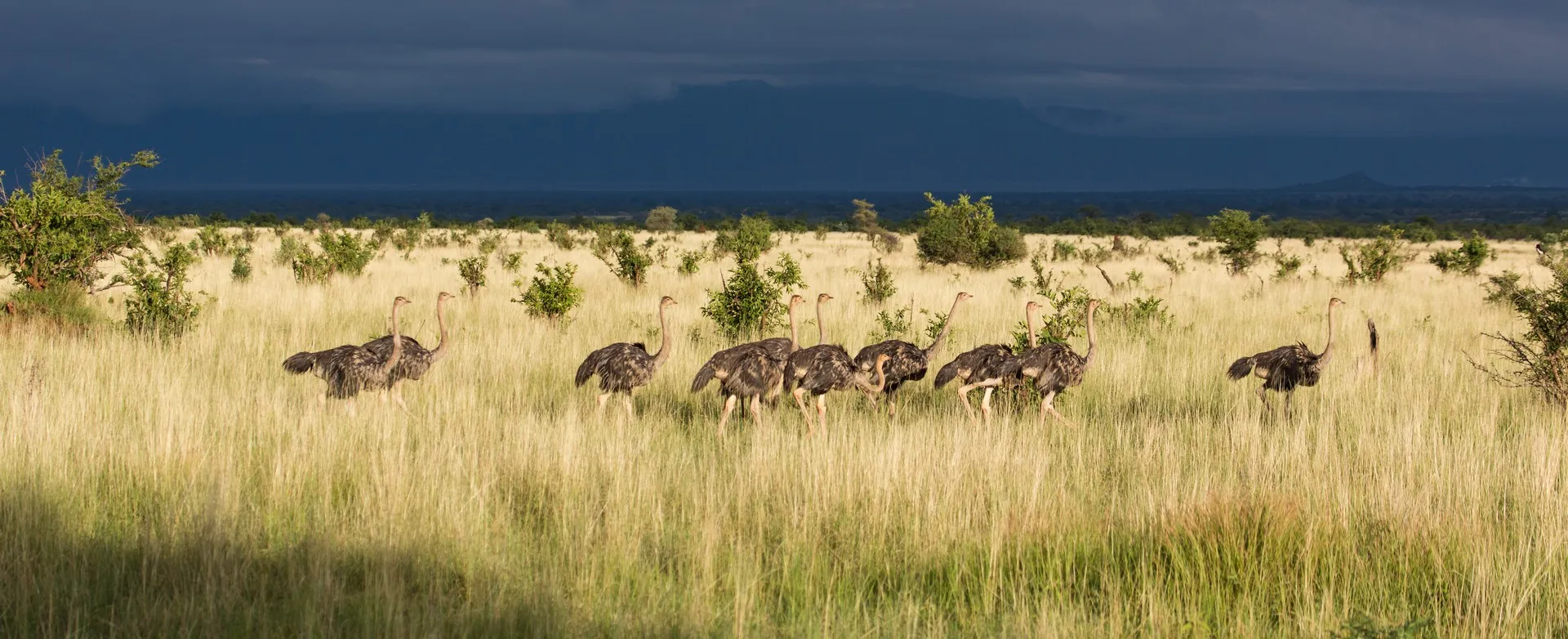
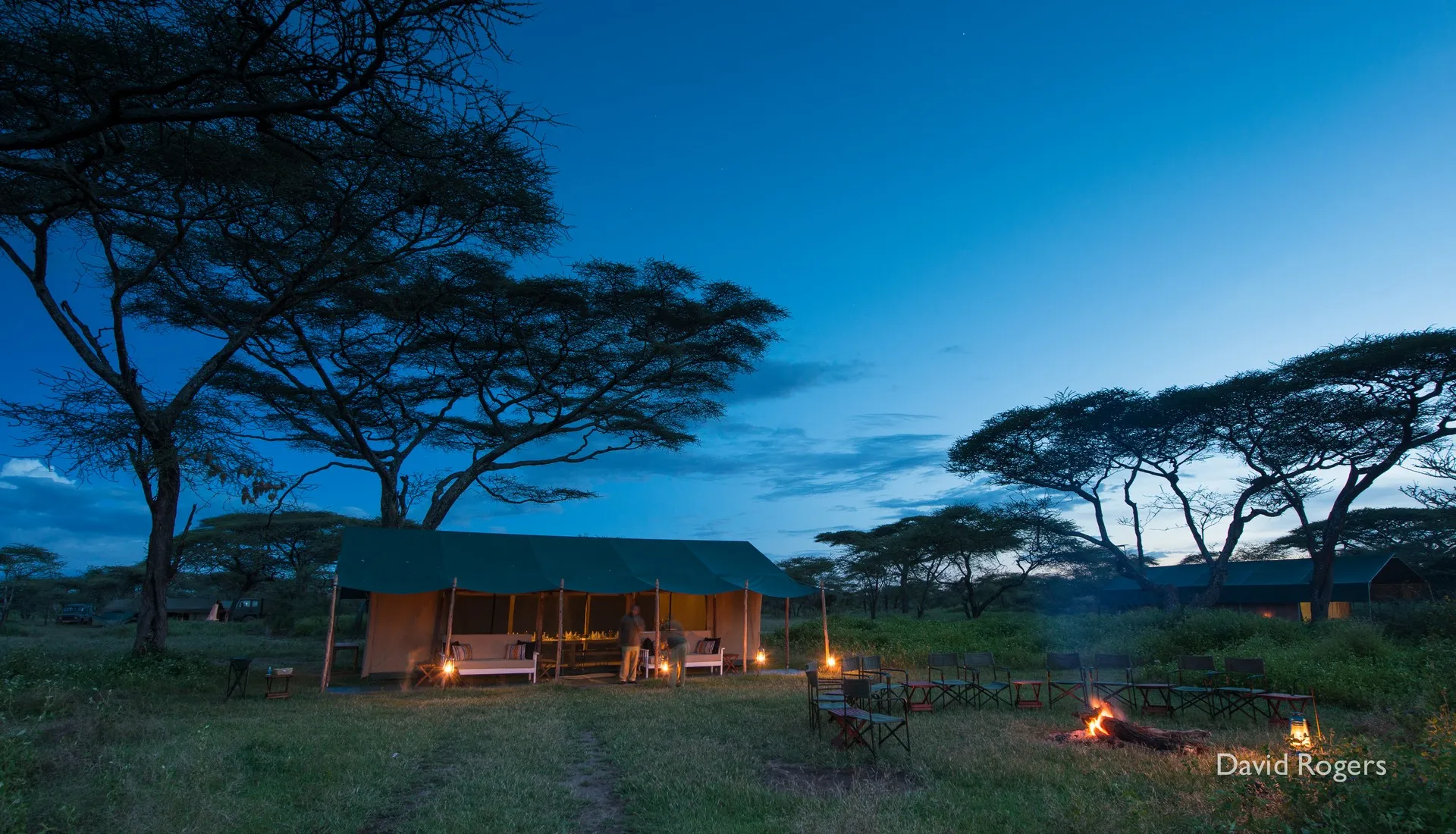
Serengeti in three frames
See the scale before choosing the route.
These three visual moments are intentionally brief. The route, migration context and camp position are explored on the map below.
Explore the Regions
Navigate the Serengeti
Select a region to understand its landscape, seasonal character, access points and recommended stay.
Central
Central Serengeti — Seronera
The most accessible year-round wildlife hub.
Landscape
Open plains, river valleys and kopjes
Best Months
Jan · Feb · Jun · Jul · Aug · Sep · Oct · Nov
Suggested Stay
2–4 nights
Airstrips
Seronera Airstrip
Road Connections
Ngorongoro, Western Corridor, Northern Serengeti, Southern Serengeti
›Textual region directory (screen reader accessible)
Central Serengeti — Seronera
The most accessible year-round wildlife hub.
Best: Jan, Feb, Jun, Jul, Aug, Sep, Oct, Nov · 2–4 nights
Northern Serengeti — Kogatende
Remote northern landscapes near the Mara River system.
Best: Jul, Aug, Sep, Oct · 3–4 nights
Western Corridor — Grumeti
Riverine landscapes and western migration movement.
Best: May, Jun, Jul · 2–3 nights
Southern Serengeti and Ndutu
Short-grass plains associated with the calving season.
Best: Dec, Jan, Feb, Mar · 3–4 nights
Eastern Serengeti
Quieter open landscapes and less-travelled safari areas.
Best: Nov, Dec, Jan, Feb, Mar · 2–3 nights
The Great Migration
Follow a Living Ecosystem
Use the timeline as a planning guide to understand typical seasonal patterns across the wider Serengeti–Mara ecosystem.
The Great Migration is a natural, free-moving wildlife event. Location, timing, crossings and herd concentration cannot be guaranteed and vary according to rainfall, grazing and ecosystem conditions.
Getting There
Choose How You Reach the Serengeti
Compare road, fly-in and mixed safari journeys according to your time, route and preferred travel style.
Journey Structure
Scenic drive via Ngorongoro
Best For
First-time visitors, connected circuit
Journey Structure
Drive via Ngorongoro to Ndutu
Best For
Calving season (Dec–Mar)
Journey Structure
Direct drive from crater rim
Best For
Combined crater and Serengeti
Routes are planning illustrations. Final roads, airstrips, schedules, transfer times and park access depend on the confirmed itinerary. Exact drive times and flight schedules are verified by our team before publication.
Compare the Regions
Find the Serengeti Experience That Fits You
| Factor | Central | Northern | Westerndraft | Southern | Easterndraft |
|---|---|---|---|---|---|
| Landscape | Open plains, river valleys and kopjes | Woodlands, rolling hills, river systems and open grassland | Woodlands, rivers and open plains | Open plains, seasonal lakes and acacia woodland | Open plains and kopje systems |
| Seasonal Character | Year-round wildlife — most reliable for general game viewing | Peak season July–October for Mara River crossings | Best May–July during western migration movement | Peak December–March for calving season | Best November–March for green season and cheetah |
| Suggested Stay | 2–4 nights | 3–4 nights | 2–3 nights | 3–4 nights | 2–3 nights |
| Access Style | Road and fly-in | Fly-in recommended | Fly-in or road | Road and fly-in | Road (limited access) |
| Wildlife Character | Big cats, Seronera River valley, Kopje outcrops, Year-round game viewing | Mara River crossings, Great Migration (Jul–Oct), Crocodile encounters, Remote wilderness | Grumeti River crossings, Western migration (May–Jul), Riverine forest, Colobus monkeys | Calving season (Dec–Mar), Predator action, Lake Ndutu, Short grass plains | Remote wilderness, Namiri Plains, Cheetah habitat, Kopje systems |
| Visitor Density | Moderate to busy in peak season | Moderate during crossing season | Low — remote and exclusive | Moderate during calving season | Very low — exclusive and remote |
| Best Suited For | First-time safari, Big cats, Year-round wildlife | Great Migration guidance, Remote wilderness, Photography | Migration river crossings, Remote wilderness, Photography | Calving season, Predator action, Family travel, Photography | Remote wilderness, Photography, Cheetah |
Select up to two regions to compare:
Central
Landscape
Open plains, river valleys and kopjes
Seasonal Character
Year-round wildlife — most reliable for general game viewing
Suggested Stay
2–4 nights
Access Style
Road and fly-in
Wildlife Character
Big cats, Seronera River valley, Kopje outcrops, Year-round game viewing
Visitor Density
Moderate to busy in peak season
Best Suited For
First-time safari, Big cats, Year-round wildlife
Northern
Landscape
Woodlands, rolling hills, river systems and open grassland
Seasonal Character
Peak season July–October for Mara River crossings
Suggested Stay
3–4 nights
Access Style
Fly-in recommended
Wildlife Character
Mara River crossings, Great Migration (Jul–Oct), Crocodile encounters, Remote wilderness
Visitor Density
Moderate during crossing season
Best Suited For
Great Migration guidance, Remote wilderness, Photography
Find Your Serengeti Journey
Tell Us How You Want to Explore
Answer a few questions and receive a guided Serengeti journey suggestion.
01When are you planning to travel?
02How many nights would you like in the Serengeti?
03How would you prefer to travel?
04What matters most to you?
05What would you like to combine with the Serengeti?
Answer the questions to receive a guided Serengeti journey suggestion based on your preferences.
Continue the Journey
Connect the Serengeti with Northern Tanzania and Beyond
Serengeti Journeys
Safaris Designed Around the Plains
Plan with Confidence
What to Consider Before You Travel
Choosing a Serengeti region
Each region offers a distinct experience — match your priorities to the right area.
Road versus fly-in travel
Road safaris are scenic and connected; fly-in saves time for remote regions.
Suggested length of stay
Two nights for a single region; four or more for a two-region Serengeti combination.
Seasonal rainfall
Long rains (Apr–May) and short rains (Nov) affect access and wildlife distribution.
Migration variability
The migration is a natural event — timing and location vary with rainfall and grazing.
Packing and luggage limits
Soft-sided bags for fly-in transfers; layering for cool mornings and warm days.
Family travel considerations
Age-appropriate activities, flexible pacing and safety-first approach for children.
Photography preparation
Golden hour planning, dust protection and the right lens choices for wildlife.
Responsible wildlife viewing
Respect park rules, maintain distance and follow your guide's direction at all times.
Park fees and final itinerary
Park fees, timings and access points are confirmed in your final itinerary by our team.
All operational and safety details are verified by the Amazing Tanzania team before publication. Final roads, airstrips, schedules and park access depend on the confirmed itinerary.
Plan from here
Put Serengeti into your journey.
Start with the destination. We will shape the route around your dates, pace, transport and the experiences that matter most.